Don't Buy the Qm7 Qm751G Qled Until You Read This Full Analysis
For many TV shoppers, the hardest part of buying a new screen is not finding a model with an impressive spec sheet. It is figuring out whether those specs actually translate into a better experience in a real living room. The Qm7 Qm751G Qled sits in the part of the market that attracts exactly this kind of buyer: someone who wants a modern feature set, strong picture performance, gaming support, and a more premium feel without automatically paying flagship pricing.
On paper, that sounds like an easy recommendation. In practice, it is not quite that simple. A television can look excellent in one use case and merely average in another. Brightness may be strong for daytime sports, yet motion processing can still frustrate film fans. A gaming-focused setup can be outstanding on paper, while software quirks or upscaling limitations affect day-to-day use more than expected. That is why buyers should not rush into the Qm7 Qm751G Qled based on marketing terms alone.
This analysis takes a closer editorial look at what this TV likely means for ordinary buyers: families streaming in bright rooms, movie fans watching at night, gamers connecting current-generation consoles, and anyone trying to make a smart long-term purchase. Rather than treating the TV as a list of buzzwords, the focus here is on how it fits real-world priorities such as contrast, color, motion, smart features, value, and overall ownership experience.
What the Qm7 Qm751G Qled Is Trying to Be
The Qm7 Qm751G Qled is positioned as a feature-rich modern television aimed at shoppers who want more than an entry-level 4K panel. The QLED branding indicates an LED-LCD television that uses a quantum dot layer to improve color volume and vibrancy. In plain terms, this usually means better color performance than basic LED sets, especially when viewing bright HDR content such as nature documentaries, animated films, and sports broadcasts with saturated team colors.
For the average buyer, this matters because most people are not shopping for a lab test result. They want a television that makes streaming apps look crisp, keeps highlights visible during daytime viewing, and feels like a meaningful upgrade from an older budget set. The Qm7 Qm751G Qled appears designed to offer that step-up experience.
Still, expectations should remain grounded. A strong midrange or upper-midrange QLED can deliver excellent brightness and color, but it may not match the pixel-level black control of a premium OLED. Buyers comparing technologies should understand that this model is less about absolute perfection and more about balancing performance, features, and cost in a way that appeals to a wide audience.
Picture Quality Analysis
Brightness and HDR Impact
One of the biggest reasons people look at a QLED television is brightness, and that is especially relevant in homes where the TV is used throughout the day. Sunlit family rooms, open-plan apartments, and spaces with large windows can quickly make a dim television feel disappointing. A set like the Qm7 Qm751G Qled is most appealing when it can maintain a punchy, clear image in those brighter environments.
In real-world terms, strong brightness improves more than just visibility. It helps HDR movies and shows feel more dynamic. Highlights in scenes with fire, reflections, neon lights, or sunlit landscapes appear more convincing. Sports also benefit because the field, court, or rink maintains impact instead of looking flat. Buyers who mostly watch cable, streaming platforms, and live sports during the day may appreciate brightness more than any other headline specification.
That said, HDR quality depends on more than peak light output. Tone mapping, local dimming behavior, and panel consistency all influence whether HDR feels refined or simply loud. If the Qm7 Qm751G Qled emphasizes brightness but controls blooming only moderately, some viewers may notice halos around subtitles or bright objects against dark backgrounds. For casual users this may be easy to ignore. For movie enthusiasts watching in a dark room, it can matter quite a bit.
Contrast and Black Levels
Contrast performance is often what separates a TV that looks merely sharp from one that feels cinematic. Deeper blacks make nighttime scenes look richer, improve perceived detail, and help bright highlights stand out more effectively. If the Qm7 Qm751G Qled includes competent local dimming, it has the potential to deliver a satisfying home theater experience for buyers who do not want to stretch into premium OLED territory.
However, this is also where expectations should be realistic. Even a very good QLED television can struggle to match OLED in dark-room performance. Viewers who prioritize moody films, prestige dramas, and subtle shadow detail may still see some blooming or raised blacks in challenging scenes. On the other hand, many households simply want “good enough plus brightness,” and for them, the Qm7 Qm751G Qled could strike the right balance.
Color Performance
Color is where QLED technology often makes a strong first impression. Bright reds, greens, and blues can look especially vivid, which helps animated content, live sports, and high-impact HDR programming. For families, this often means kids’ content looks lively and streaming originals feel visually engaging without much tweaking.
The caveat is that vivid color is not always the same as accurate color. Buyers who care about creator intent may want to spend time adjusting picture presets and turning down overly aggressive enhancements. In store demos, televisions are frequently tuned to look extra intense. At home, a more natural setting often produces the best long-term viewing comfort. A good QLED should be capable of both vibrancy and restraint, depending on how it is set up.
Find top-rated TVs & Home Theater products at great prices.
View Offers →Upscaling and Everyday Content
Many shoppers focus on 4K and HDR because those terms dominate marketing, but a large amount of real-world viewing is still compressed streaming video, live TV, sports feeds, older movies, and standard HD content. The Qm7 Qm751G Qled needs to do more than shine with premium demos. It should also clean up lower-quality sources competently.
This is particularly important for buyers upgrading from an older 1080p set. They may expect all content to suddenly look spectacular on a larger 4K screen. In reality, poor upscaling can make cable channels and older streams look soft or noisy. A well-tuned processor helps preserve detail, reduce artifacts, and keep faces, text, and motion from looking unnaturally processed. For many households, this everyday performance matters more than maximum HDR output.
How It Handles Real-World Viewing Scenarios
Movies and Streaming at Night
For movie-first viewers, the Qm7 Qm751G Qled can be appealing if it delivers strong contrast, respectable dimming control, and decent out-of-box accuracy. It should be most satisfying with mainstream streaming content, blockbuster films, and HDR series where brightness and color are part of the appeal. Viewers who mainly watch in dim rooms, however, are usually the first to notice weaknesses in black uniformity, subtitle blooming, and shadow handling.
This means the TV may be a strong fit for households that want an enjoyable cinematic experience without obsessing over reference-level performance. It may be a weaker fit for purists who watch a lot of dark films and compare every panel to OLED.
Sports and Daytime TV
Sports viewers tend to care about three things: brightness, motion, and screen uniformity. The Qm7 Qm751G Qled is likely to attract this audience because QLED sets often perform well in bright environments. If the panel maintains good brightness and color, football, basketball, racing, and daytime talk programming should all look crisp and impactful.
Motion processing, though, can be divisive. Some viewers like extra smoothing because it makes fast action look clearer. Others dislike the artificial “soap opera” effect it can introduce. The best televisions offer enough control to tailor motion settings rather than forcing one extreme or the other. Anyone who watches a lot of sports should pay close attention to how the set handles panning shots, fast camera movements, and compression-heavy live broadcasts.
Gaming With Consoles and PCs
Modern buyers frequently expect one television to serve as a family entertainment hub and a gaming display. That makes gaming features a major part of the value equation. A TV like the Qm7 Qm751G Qled becomes much more compelling if it supports high refresh rates, low input lag, and gaming-friendly HDMI features.
For console owners, this means smoother gameplay, better responsiveness, and stronger compatibility with current-generation systems. Fast-paced shooters, racing games, and competitive sports titles benefit most from low latency and high refresh support. Single-player cinematic games benefit from HDR brightness and strong contrast, especially when the display can preserve both bright highlights and dark detail.
Where buyers should be cautious is assuming that gaming support automatically means flawless execution. Some televisions advertise advanced gaming features but bury limitations in port availability, resolution support, or mode-specific compromises. If one HDMI port is shared with eARC, for example, buyers using both a soundbar and multiple consoles may need to plan their setup more carefully than expected.
Smart TV Experience and Daily Use
The software experience on a television matters more than many buyers expect. A great panel paired with a frustrating interface can become annoying surprisingly quickly. Typical households want apps to open quickly, settings to be easy to find, and switching between streaming, live TV, and connected devices to feel smooth.
The Qm7 Qm751G Qled needs to perform well not just as a screen, but as a daily appliance. That includes remote responsiveness, app reliability, menu clarity, voice search usefulness, and how often the interface pushes unwanted recommendations or promotions. Buyers with patience for tinkering may tolerate occasional software oddities. Buyers who simply want a TV that works cleanly every evening may place even greater weight on the smart platform than on small differences in peak brightness.
Another practical concern is long-term support. Televisions today are effectively software devices, and that means update quality matters. If the platform is stable and widely supported, the TV feels current for longer. If it becomes sluggish or inconsistent over time, the ownership experience weakens even if the panel itself remains capable.
Looking for the best TVs & Home Theater deals on Amazon?
See Deals →Design, Build, and Room Placement
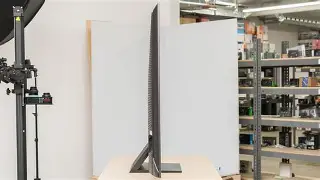
TV design rarely makes or breaks a purchase, but it shapes how premium the product feels. Buyers generally care about bezel thickness, stand stability, cable placement, and whether the TV sits comfortably on existing furniture. The Qm7 Qm751G Qled is most attractive when it looks clean and modern without requiring a total room redesign.
Room placement is equally important. A bright QLED-style television often works very well in living rooms with natural light, which gives it an advantage over dimmer alternatives. But viewing angles can still matter. If seating is spread widely across a sectional sofa or open living space, some buyers may notice reduced contrast or color consistency from off-center positions. Households where everyone watches from directly in front will care less. Large families or frequent hosts should care more.
Pros and Cons
Pros
- Strong brightness potential for daytime viewing, sports, and HDR content in rooms with ambient light.
- QLED color performance can deliver vivid, appealing images for streaming, animation, and live events.
- Likely broad mainstream appeal for buyers wanting a step up from entry-level 4K TVs without going all the way to flagship pricing.
- Gaming-friendly positioning may make it a solid fit for current-generation consoles and mixed-use households.
- Better value profile than ultra-premium sets if picture quality comes close enough for most real-world viewers.
Cons
- May not match OLED-level black control in dark-room movie viewing.
- Potential blooming or haloing can matter to viewers sensitive to subtitles and high-contrast scenes.
- Motion processing may need adjustment depending on whether the viewer prioritizes sports smoothness or film accuracy.
- Smart platform quality can heavily affect ownership satisfaction if the interface feels cluttered or inconsistent.
- Viewing angle limitations are still possible, especially in wide seating arrangements.
Comparison Table: Who the Qm7 Qm751G Qled Makes Sense For
| Buyer Type | How Well It Fits | Why It Works | Why It May Not |
|---|---|---|---|
| Bright-room family viewer | Strong fit | High brightness and vivid color are usually more valuable than perfect blacks in a sunny room. | If the interface is sluggish or ad-heavy, daily use may become frustrating. |
| Movie enthusiast watching in the dark | Moderate fit | Can deliver a large, engaging HDR image with strong contrast for the price. | OLED alternatives still tend to win for shadow detail, black depth, and bloom control. |
| Console gamer | Strong fit | Modern gaming features and bright HDR can make games look and feel excellent. | Port allocation and feature limitations should be checked before purchase. |
| Budget-first shopper | Conditional fit | Worth it if the buyer wants a real performance upgrade over basic 4K sets. | May be overkill if the household mostly watches casual TV and does not care about HDR or gaming. |
| Wide-seating living room | Mixed fit | Still useful if most viewing happens near the center. | Off-angle performance may be less satisfying than some premium alternatives. |
Buying Guide: Questions Buyers Should Ask Before Choosing It
1. Is the Room Bright or Dark Most of the Time?
If the television will sit in a bright family room, the Qm7 Qm751G Qled becomes much easier to justify. Brightness and color punch carry real value there. In a dark basement theater room, buyers may care more about black levels and blooming control, which changes the conversation.
2. What Matters More: Movies, Sports, or Gaming?
Different priorities lead to different expectations. A sports-heavy household may love a bright, punchy image and flexible motion controls. A movie-focused buyer may scrutinize dimming behavior and film accuracy more closely. A gamer may care most about responsiveness, refresh support, and HDMI capabilities.
3. How Important Is the Smart Platform?
Some buyers use external streaming devices and barely touch the built-in interface. Others rely on the TV’s software every day. If the latter describes the household, the quality of the operating system is not a side issue. It is central to the purchase.
4. Will Multiple Devices Be Connected?
Anyone planning to connect a soundbar, game console, streaming box, and perhaps a second console should think through HDMI usage before buying. Many shoppers overlook connectivity until installation day, which is when compromises become annoying.
5. Is the Goal Maximum Quality or Best Overall Value?
This may be the most important question. The Qm7 Qm751G Qled makes the most sense for buyers seeking strong all-around performance per dollar, not necessarily absolute best-in-class picture quality in every category. Buyers chasing perfection may still be pulled toward more expensive options. Buyers chasing balanced value may find this is where the TV becomes most compelling.
Final Verdict
The Qm7 Qm751G Qled looks like the kind of television that can be a very smart buy for the right household and a less convincing one for the wrong buyer. Its appeal is clear: strong brightness, vivid color, broad mainstream usability, and the potential to satisfy families, streamers, and gamers who want a TV that feels modern and capable. In bright rooms and mixed-use setups, those strengths can matter more than the last few percentage points of cinematic perfection.
But that is also exactly why buyers should not rush. This is not a television to purchase purely because the spec sheet sounds premium. Shoppers should think carefully about room lighting, seating layout, dark-room expectations, software tolerance, and gaming setup needs. For many people, the Qm7 Qm751G Qled will land in the sweet spot between budget compromise and flagship excess. For others, especially those sensitive to blooming or focused on top-tier movie performance, it may be worth pausing and comparing alternatives before deciding.
In short, the Qm7 Qm751G Qled is probably not a blind-buy TV. It is a match-the-buyer TV. When the use case lines up, it can offer a lot of what people actually care about. When it does not, the flashy terminology can hide trade-offs that become obvious only after the box is open.