Difference Between Samsung Hw S60D and Samsung Hw S801D Explained
Introduction
Choosing the right soundbar can transform a living room from "adequate" to "cinematic." Samsung's lineup includes models aimed at different buyers and listening environments, and the Samsung Hw S60D and Samsung Hw S801D are often compared by shoppers who want better dialogue, thumping bass, and simple connectivity. This article breaks down the practical differences between the two, explains what each model is best at in real-world use, and offers guidance on which to buy depending on listening habits, room size, and budget priorities.
At a glance: what buyers typically care about
- Sound quality: clarity, stereo imaging, frequency balance and bass extension.
- Surround experience: whether the soundbar delivers immersive height or wide surrounds for movies and games.
- Dialogue intelligibility: center-channel emphasis or voice modes that make spoken words clear.
- Connectivity: HDMI (eARC), optical, Bluetooth, Wi‑Fi, and multiroom integrations.
- Form factor and placement: space constraints, TV size, and aesthetics.
- Extras: room calibration, sound modes, and ease of setup.
- Value: performance relative to price and long-term usability.
Detailed product analysis
Samsung Hw S60D — compact, straightforward sound uplift
The Samsung Hw S60D is positioned as a compact, easy-to-use upgrade for modern flat-panel TVs. In many real-world setups it appeals to people who want immediate improvement over built-in TV speakers without adding a lot of clutter: a slim soundbar up front plus a wireless sub for more bass. Typical buyers are apartment dwellers, couples who watch a lot of TV and streaming shows, and casual gamers who want clearer audio cues without a large speaker system.
Strengths in everyday use include improved midrange clarity (helpful for dialogue-heavy TV shows and news), a tighter low-end than most TV speakers thanks to the included subwoofer, and convenient wireless streaming via Bluetooth. The S60D generally prioritizes balanced sound and simplicity—setup is usually plug-and-play with auto-detection and a limited set of sound modes (Movie, Music, Voice, etc.), which suits users who do not want to dive into equalization or calibration menus.
Limitations show up in larger rooms and demanding movie scenes. The compact footprint and simpler driver layout mean the soundstage is narrower compared to higher-end models, and while bass is improved, it lacks the extension and impact of larger subwoofers. Buyers who prioritize deep, room-filling bass or a fully immersive Dolby Atmos experience will find it less capable than more premium alternatives.

Samsung Hw S801D — a step toward a more immersive experience
The Samsung Hw S801D is designed for buyers who want a more cinematic sound. It typically targets living rooms with medium to large TVs and viewers who stream movies, sports, and play high-fidelity video games. In practice, this model leans into broader soundstaging, better low-frequency authority, and enhanced features that support an immersive listening experience.
Real-world benefits include a fuller, more authoritative low end—useful for action movies, orchestral scores, and music with a driving bassline—and a wider soundstage that makes surround effects feel more convincing when watching films. The S801D often includes additional processing modes and may support advanced surround technologies and improved dialogue enhancement. It also tends to offer richer connectivity (HDMI with eARC, multiple inputs), making it easier to integrate with a modern home theater stack or a game console.
On the downside, higher performance typically comes with a larger footprint and a higher price. Buyers with small rooms or strict budget constraints may not get full value from the S801D if they primarily watch talk shows or casual streaming. Also, for users who care mostly about minimal setup and simplicity, the more advanced options can be unnecessary complexity.
Pros & Cons
Samsung Hw S60D
- Pros: Compact design that fits under most TVs; clear midrange and improved dialogue; wireless sub for better bass than TV speakers; simple setup and user-friendly modes; generally more affordable.
- Cons: Narrower soundstage and less surround immersion; bass lacks deep extension for large rooms; fewer advanced connectivity and configuration options; limited room calibration features.
Samsung Hw S801D
- Pros: More immersive soundstage and better bass authority; stronger performance for movies and gaming; broader connectivity options for home theater integration; better suited to medium and large rooms.
- Cons: Larger size and potentially higher price; may be overkill for small rooms or users seeking simple upgrades; slightly more complex setup and menu options for optimal tuning.
Comparison table
| Feature | Samsung Hw S60D | Samsung Hw S801D |
|---|---|---|
| Target buyer | Entry-to-mid users who want better TV sound with minimal fuss | Users seeking a more cinematic, immersive home theater sound |
| Sound character | Balanced mids, adequate bass, compact soundstage | Fuller low end, wider soundstage, more immersive |
| Best for | Dialog-heavy TV shows, small-to-medium rooms, casual gaming | Movies, music, gaming in medium-to-large rooms |
| Bass | Improved over TV with wireless sub but limited deep extension | Stronger, more room-filling bass with better impact |
| Immersive features | Basic surround modes and presets | Enhanced surround processing and expanded soundstage options |
| Connectivity | Core options (Bluetooth, optical), likely single HDMI input | Richer set (HDMI eARC compatibility, multiple inputs, Bluetooth) |
| Room suitability | Small to medium rooms | Medium to large rooms |
| Ease of setup | Very easy; plug-and-play | Relatively straightforward but benefits from some calibration |
| Value proposition | High value for simple TV upgrades | Better value for buyers who need more performance and features |
Real-world use cases and examples
Living room movie nights
For viewers who prioritize blockbuster movies, rumbling explosions, and immersive surrounds, the S801D is the more suitable choice. Its fuller low end and wider stage make on-screen action feel larger and more convincing. The additional processing options help place effects around the room, which matters when the goal is a cinematic feel without a full AVR and speaker array.
Discover deals on Audio & Headphones — updated daily.
Browse Now →Daily TV and streaming
Households that mostly watch sitcoms, news, and streaming dramas will find the S60D delivers a pronounced improvement in dialogue clarity and overall tonality versus built-in TV speakers. Its compact size and easy setup are advantages for living rooms or bedrooms where users want better sound without extra complexity.
Gaming
Competitive and immersive gamers benefit from precise stereo imaging and low-latency HDMI connections. The S801D's broader soundstage helps locate effects and provides more environmental detail while gaming, which can be helpful for both immersion and situational awareness. The S60D is competent for casual gaming but might not provide the positional cues some serious gamers rely on.
Music listening
For dedicated music listeners, the choice depends on genre and listening volume. Acoustic or vocal-focused music sounds excellent on the S60D due to clear mids; however, those who enjoy electronic, orchestral, or bass-heavy music will appreciate the S801D's authority in the low end and its room-filling capability.
Buying guide: how to choose between the S60D and S801D
When comparing soundbars, buyers should prioritize a few core factors. The right choice depends on the room, primary content, and integration needs.
1. Assess the room size and placement
Small rooms (bedrooms, studio apartments): The S60D is often the smarter pick. Its compact footprint and modest bass will be proportionate to a small listening area, avoiding overpowering or boomy low frequencies.
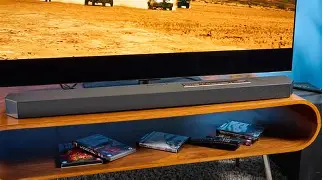
Medium to large rooms (open-plan living areas, dedicated TV rooms): The S801D will better fill space and deliver the dynamic range needed for movies and music at higher volumes.
2. Consider primary content
- If most viewing is news, talk shows, or sitcoms, prioritize dialogue clarity—S60D suffices.
- If movies, sports, and gaming are the focus, prioritize immersion and bass—S801D is preferable.
3. Check connectivity and devices
Make a list of devices to connect: streaming stick, Blu-ray player, game console, TV, or turntable. If seamless TV audio passthrough and the lowest-latency connection are essential, confirm HDMI eARC/ARC support and the number of HDMI inputs. The S801D typically offers more flexibility here.
Looking for the best Audio & Headphones deals on Amazon?
View Offers →4. Placement and integration with TV
Measure the space under the TV. If the soundbar must sit on a narrow console or be wall-mounted under a floating TV, confirm dimensions and mounting options. Also consider whether the subwoofer can be placed where bass will be felt but not rattle furniture—this affects perceived performance more than raw specs.
5. Future-proofing and extra features
Look for features like firmware updates, multiroom compatibility, or voice assistant integration if these are likely to matter later. The higher-tier model often includes more advanced processing, which can be useful as streaming codecs and source material evolve.
6. Budget and long-term value
Set a budget range, but think in terms of performance per dollar. A small additional investment in a more capable unit can be worthwhile for buyers who will use the system for movies and music for several years. Conversely, for someone who just wants a clear upgrade from TV speakers, a more economical option often delivers better immediate value.
7. Try before you buy when possible
Hearing is subjective. If possible, audition both models in a store or at home (many retailers allow short-term returns). Bring sample content that matters to the household—one favorite movie scene, a music track, and a TV show clip—to evaluate dialogue clarity, bass control, and surround realism.
Troubleshooting and setup tips for best performance
- Place the soundbar centered with the TV and slightly away from the wall to avoid muddied bass.
- Position the wireless subwoofer on the same wall plane as the soundbar and avoid corners if bass sounds boomy; experiment with placement for the smoothest response.
- Use HDMI eARC when available to preserve high-quality, low-latency audio from the TV and connected devices.
- Enable any built-in voice/dialogue enhancement for news and talk-heavy programs; turn it off for movies if it reduces ambience.
- Run room calibration or smart sound modes if provided—these can significantly improve performance in non-ideal rooms.
When neither is quite right: alternatives and expansions
Some buyers might find that neither a compact nor mid-tier soundbar fully satisfies a specific requirement. For example, audiophiles may prefer a dedicated two-channel system with separate speakers and a powered sub, while home theater enthusiasts might choose an AV receiver with discrete surround speakers for the most realistic immersion. Both the S60D and S801D, however, are practical compromises for those who want substantial improvement over TV speakers without the footprint or complexity of a full surround system.
Conclusion
Both the Samsung Hw S60D and Hw S801D deliver tangible improvements over built-in TV audio, but they serve different needs. The S60D is an excellent choice for buyers seeking a simple, compact upgrade focused on dialogue clarity and convenience. The S801D suits buyers who want a more cinematic experience, stronger bass, and expanded connectivity in medium to large rooms. Evaluating room size, primary content, and connectivity needs will guide the right selection: choose the S60D for streamlined, everyday listening and the S801D for fuller, more immersive home theater performance.